
Falls among the elderly are about more than bruises and hospitalizations. Often a fall is the first hint that something is changing, perhaps long before anyone suspects dementia. Many elderly people who begin to develop cognitive decline gradually lose some balance, some spatial awareness, some confidence in their bodies. It starts quietly, with small stumbles or loss of footing, and often goes unnoticed.
But many say nothing. Some don’t want to worry their family. Others fear that a fall means they have to give up their independence. And some simply forget that it happened. When such incidents are not shared, important signals that could have made it possible to intervene early disappear. A small fall can be the first sign that the brain is starting to change, but without knowledge it becomes just an accident that is forgotten.
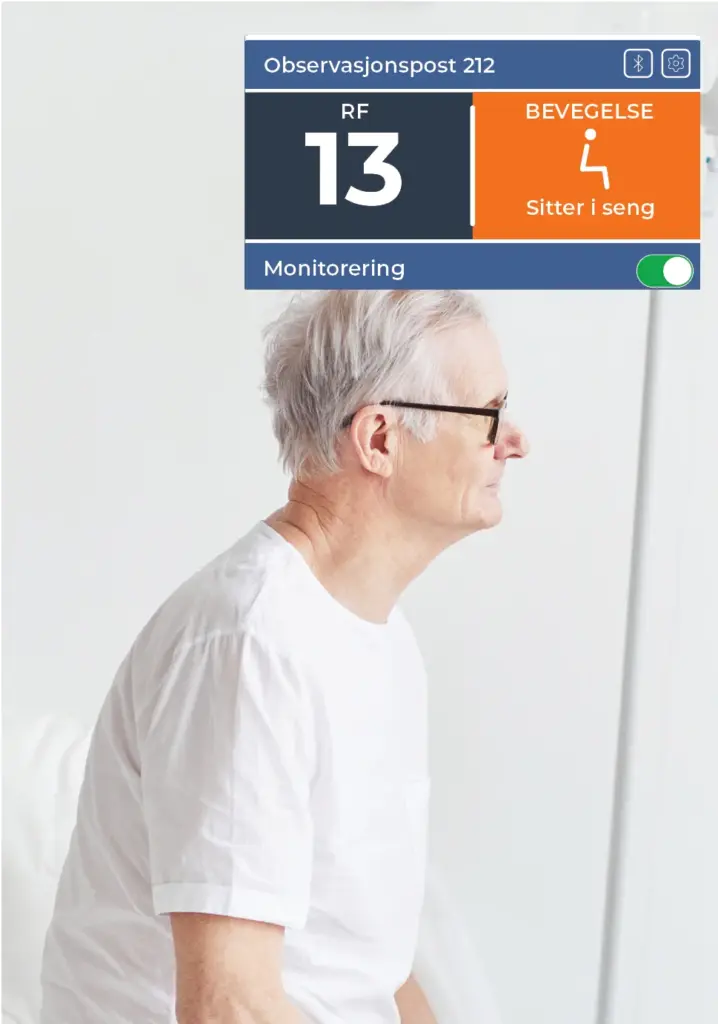
This is where new technology can make a big difference. EloCare automatically records movement and breathing, without cameras and without the resident having to wear anything. The system detects falls immediately and alerts staff, but it also sees the more subtle changes, such as nighttime walking, restless sleep or increasing silence throughout the day. All of these are small pieces that together can give a clearer picture of how a person is actually doing.
When healthcare professionals gain this insight, they can respond early, safely, and with care. The technology is standing still, but the results are vivid: better understanding, fewer undetected falls, and more time to be present for the people behind the numbers. EloCare is not just about safety. It’s about seeing, listening, and detecting before it’s too late.